


In healthcare environments, power reliability is not optional. A single second without power can make the difference between a successful operation and an avoidable tragedy. That’s why having a reliable UPS (Uninterruptible Power Supply) system is crucial for hospitals, clinics, laboratories and any modern healthcare facility.
What is a medical UPS system?
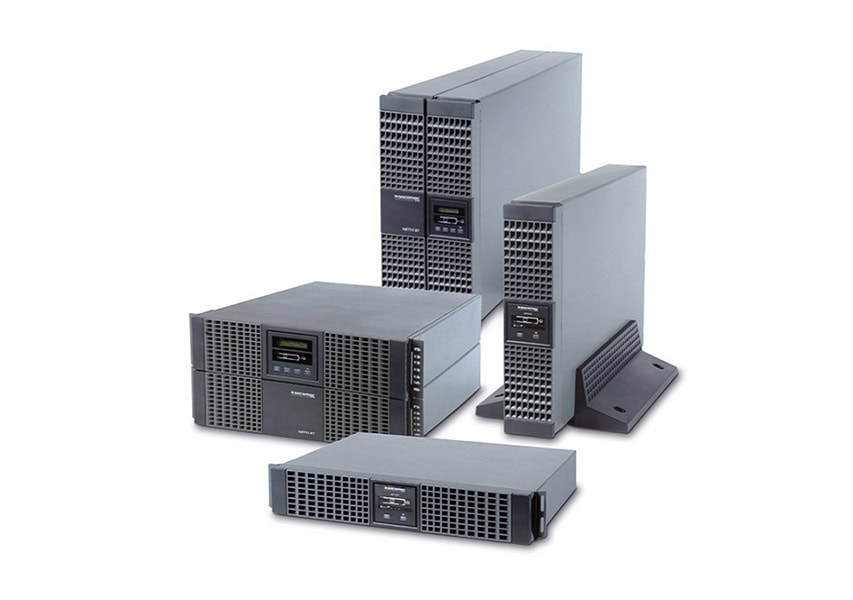
An Uninterruptible Power Supply (UPS) is a device that provides immediate backup power to electrical equipment in the event of a power outage or fluctuation. In the medical sector, the UPS acts as a technological lifeline, protecting both critical devices and data.
How does a UPS work?
The UPS activates within milliseconds after detecting a power loss. While emergency generators take between 5 and 30 seconds to start up, the UPS guarantees continuous power during this critical period, preventing sudden outages and possible catastrophic failures.
Essential components of the medical UPS:
- Battery: stores energy and allows immediate use.
- Rectifier: converts alternating energy into direct energy to charge the battery.
- Inverter: transforms direct energy into alternating energy to power the connected equipment.
- Static switch: automatically manages switching between main power, battery or generator.
Types of UPS systems most commonly used in healthcare
- Standby UPS: Used mainly in less critical equipment. It is economical, but offers limited protection.
- Line interactive UPS: Ideal for medium installations. Regulates moderate voltages without draining the battery, providing intermediate protection.
- Double conversion UPS (Online): It is the safest option used in critical medical environments. It provides power completely isolated from the main supply, avoiding even micro outages.
Key UPS applications in medical equipment
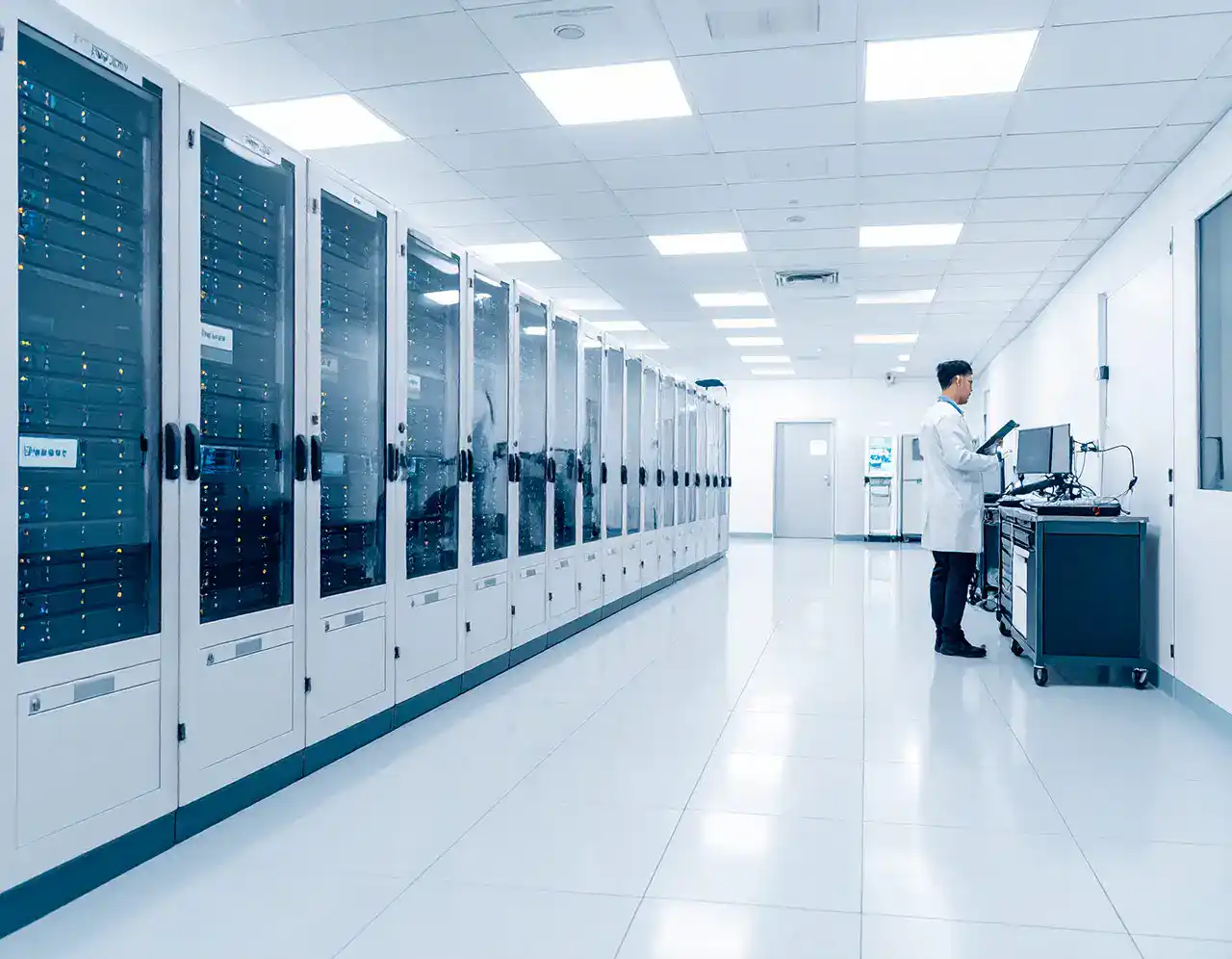
UPSs are designed to protect a variety of vital equipment:
- Mechanical ventilators: indispensable in intensive care and emergency units.
- Vital signs monitors: their interruption can leave critical patients unattended.
- Diagnostic imaging machines: such as MRI and CT scans, whose restarts can lose information or damage components.
- Electronic medical record systems: essential for continuity of treatment.
- Infusion pumps and anesthesia: require constant and safe feeding.
Critical importance of UPS for medical facilities
- Patient safety: Continuous power ensures that no procedure, from surgery to monitoring in an ICU, is interrupted by a power outage. An unbacked-up power failure can cause irreversible medical complications.
- Protection of expensive equipment: Many hospital equipment have components that are sensitive to voltage changes. A UPS prevents physical and electronic damage, extending the useful life of the devices.
- Data preservation: Hospital information systems store large amounts of critical data. A UPS prevents corruption or loss of information during sudden outages, which is crucial to comply with regulations such as the General Data Protection Act (GDPR) or the General Data Protection Regulation (GDPR).
What should a good hospital UPS system have?
Selecting the right UPS requires more than just choosing the most powerful one. Here are the key criteria:
- Load capacity: Calculates the total consumption of the devices to be connected and adds an additional 20-30% to allow for future expansion.
- Battery autonomy: Should be sufficient to cover at least the start-up time of the backup generator (typically 10-15 minutes). In critical units, systems that maintain power for 30-60 minutes are recommended.
- Scalability: The system must allow the addition of modules or batteries without replacing the complete equipment.
- Medical compatibility: The UPS must be certified for use in hospital environments and comply with regulations such as IEC 60601-1, which ensures electromagnetic safety in medical equipment.
- Redundancy: Systems in parallel or in N+1 configuration ensure backup even if a UPS fails.
Are there any risks when using a UPS?
Although UPSs are highly recommended, they present some challenges that must be managed correctly:
- Periodic maintenance: Batteries should be checked at least every 6 months and replaced according to the manufacturer’s recommendations (usually every 3-5 years).
- Overloading: Connecting more equipment than supported can cause failures. Always perform an accurate load calculation.
- High initial cost: The investment may seem high, but it is minimal compared to losses due to damaged equipment or interrupted procedures.
Differences between a UPS and a generator
Although both are used to secure energy, they are not equivalent:
| Feature | UPS | Generator |
| Response time | Immediate (milliseconds) | 5-30 seconds |
| Type of energy | Clean, without variations | May generate spikes or noise |
| Backup duration | Minutes | Hours or days |
| Maintenance | Low to medium | High (requires fuel and periodic testing) |
Ideally, both systems should be used together. The UPS comes on immediately and keeps the equipment running until the generator comes on line.

Current trends in medical UPS technology
Technological innovation also impacts the world of medical energy. These are the most relevant trends in 2025:
- Increased energy efficiency: New UPS models offer 95% efficiency or higher, reducing consumption and improving the sustainability of the hospital.
- IoT integration and remote monitoring: Technical staff can monitor UPS status in real time, receive alerts and schedule preventive maintenance from anywhere.
- Modular systems: Modular UPSs allow for seamless expansion, ideal for growing hospitals or those implementing new critical units.
- Lithium batteries: More durable and efficient than traditional lead-acid batteries. They offer higher energy density and less need for replacement.
The cost of a UPS system is minimal compared to the possible consequences of a power outage in a hospital environment: loss of life, damage to equipment, interruptions in surgery or diagnostics, and operational chaos.
In summary:
- Protects patients’ lives.
- Ensures uninterrupted operation of the equipment.
- Preserves medical data.
- Improve the reputation and reliability of your medical center.