

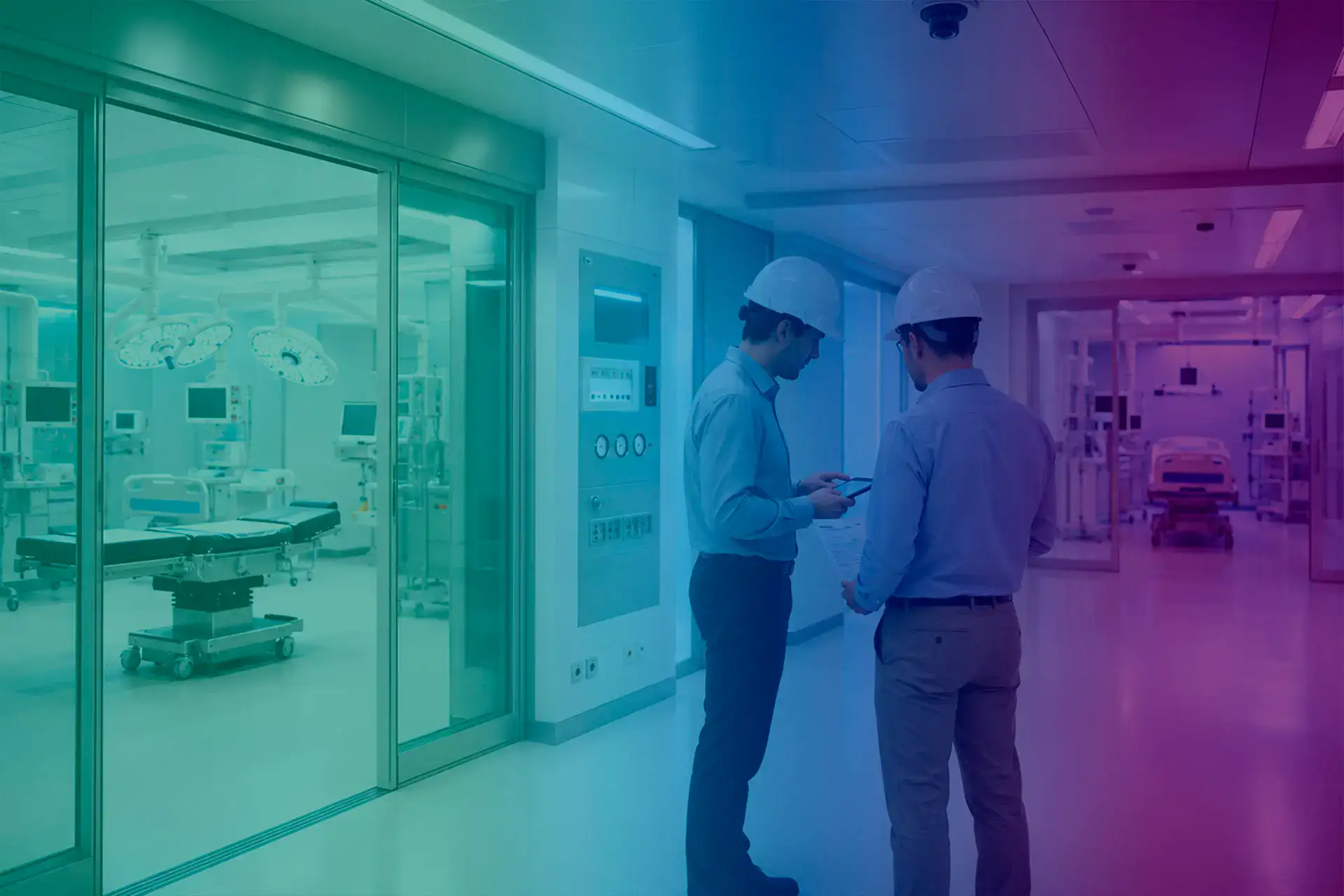
Hospital commissioning is a key process to ensure that critical hospital areas enter service with the necessary technical, electrical and operational conditions. In operating rooms, ICUs, diagnostic rooms, laboratories or life-support areas, it is not enough to install systems correctly: it is necessary to verify that they respond as expected before the space starts being used.
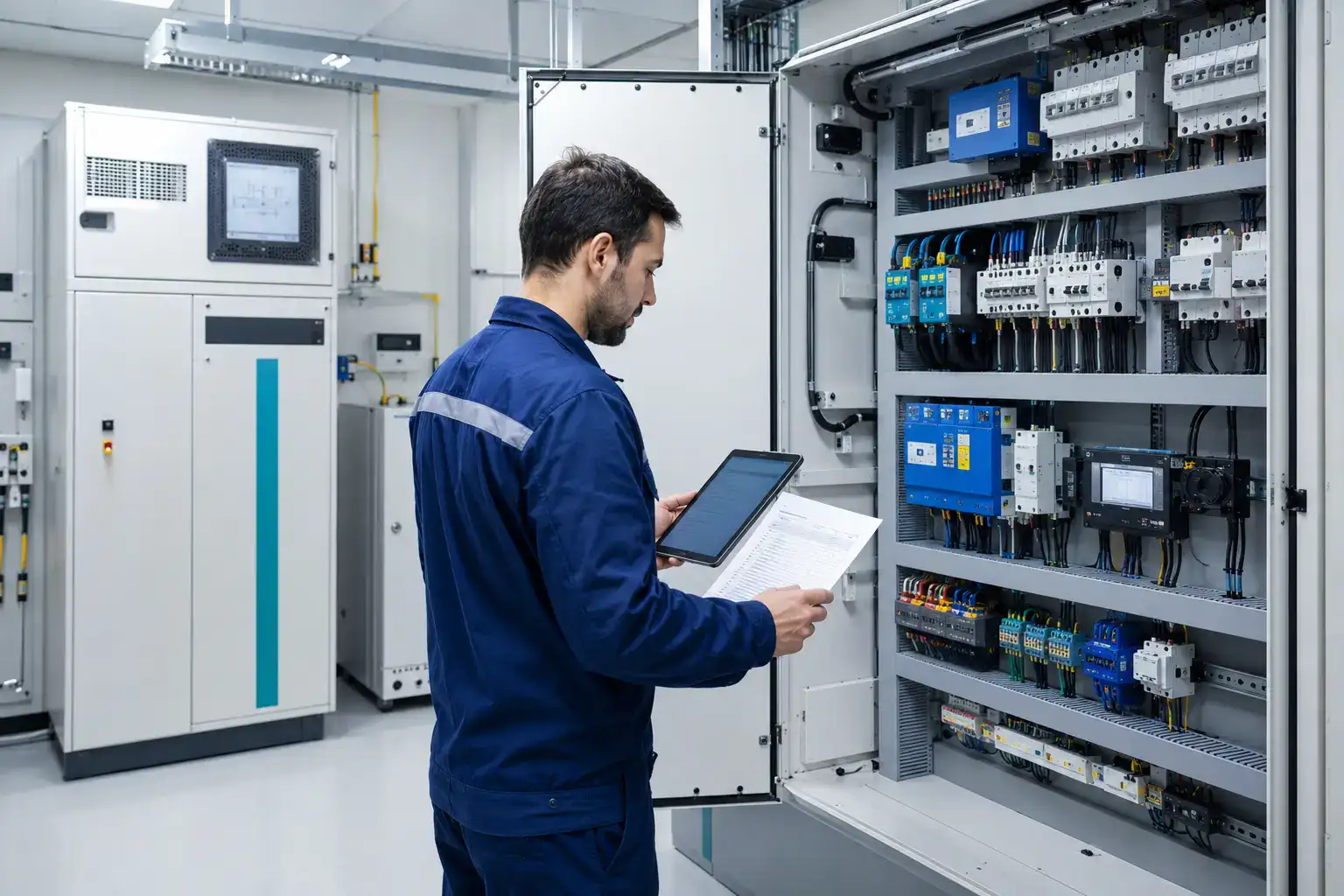
The commissioning of a critical hospital installation requires much more than a final inspection. It requires testing, documentation, team coordination and technical validation of essential systems such as electrical power supply, medical IT systems, isolation transformers, insulation monitors, alarms, UPS, ground connections and electrical panels.
Hospital commissioning makes it possible to technically validate critical areas before they enter service, reducing electrical risks, integration errors and incidents during clinical use.
In a hospital, commissioning is not a formality. It is a safety guarantee before the first clinical use.
A critical installation should not be considered complete when it is installed, but when it has been verified that it can operate safely.
What hospital commissioning is
Hospital commissioning is the process of verifying, testing and validating a hospital’s technical systems before they enter service. Its objective is to confirm that the infrastructure operates according to the intended design, regulatory requirements and the real needs of clinical operation.
Unlike a simple visual inspection, commissioning analyzes the real behavior of systems. It checks that equipment is correctly installed, that alarms respond, that backup systems operate as expected and that critical areas have the necessary electrical safety before entering service.
In the field of hospital engineering, this process is especially important because many incidents do not appear during installation, but during the transition between construction, testing, handover and real use.
In this context, ETKHO IT power supply systems play an essential role, as they help maintain service continuity in critical medical areas in the event of a first insulation fault.
Why hospital start-up requires specific validation
A hospital does not operate like a conventional building. Its technical installations are directly related to continuity of care, patient safety and the availability of clinical equipment.
For this reason, hospital start-up must validate not only that systems are connected, but that they can respond under real conditions. This includes verifying loads, alarms, electrical continuity, backup system response, communication between devices, remote signaling and behavior under fault scenarios.
In an operating room, for example, an electrical system may appear operational during a basic inspection, but may not be properly prepared to respond to an abnormal insulation condition. In an ICU, a poorly configured alarm can make it harder for the technical team to react. In a diagnostic room, an unexpected interruption can affect sensitive equipment and cause costly downtime.
Hospital commissioning helps detect these issues before the area is occupied, preventing start-up errors from becoming clinical or technical incidents.
This approach is aligned with international commissioning guidelines applied to complex buildings and infrastructures, where the process is understood as a structured methodology to verify that systems meet the requirements defined by the owner and the design. The American Society for Health Care Engineering specifically addresses commissioning in healthcare facilities in its guide on health care facility commissioning.
Critical systems that must be verified
In critical hospital areas, commissioning must pay special attention to the electrical and safety systems associated with operational continuity.
Among the most important elements are medical IT systems, isolation transformers, insulation monitors, technical alarms, repeaters, UPS, electrical panels, ground connections and supervision systems.
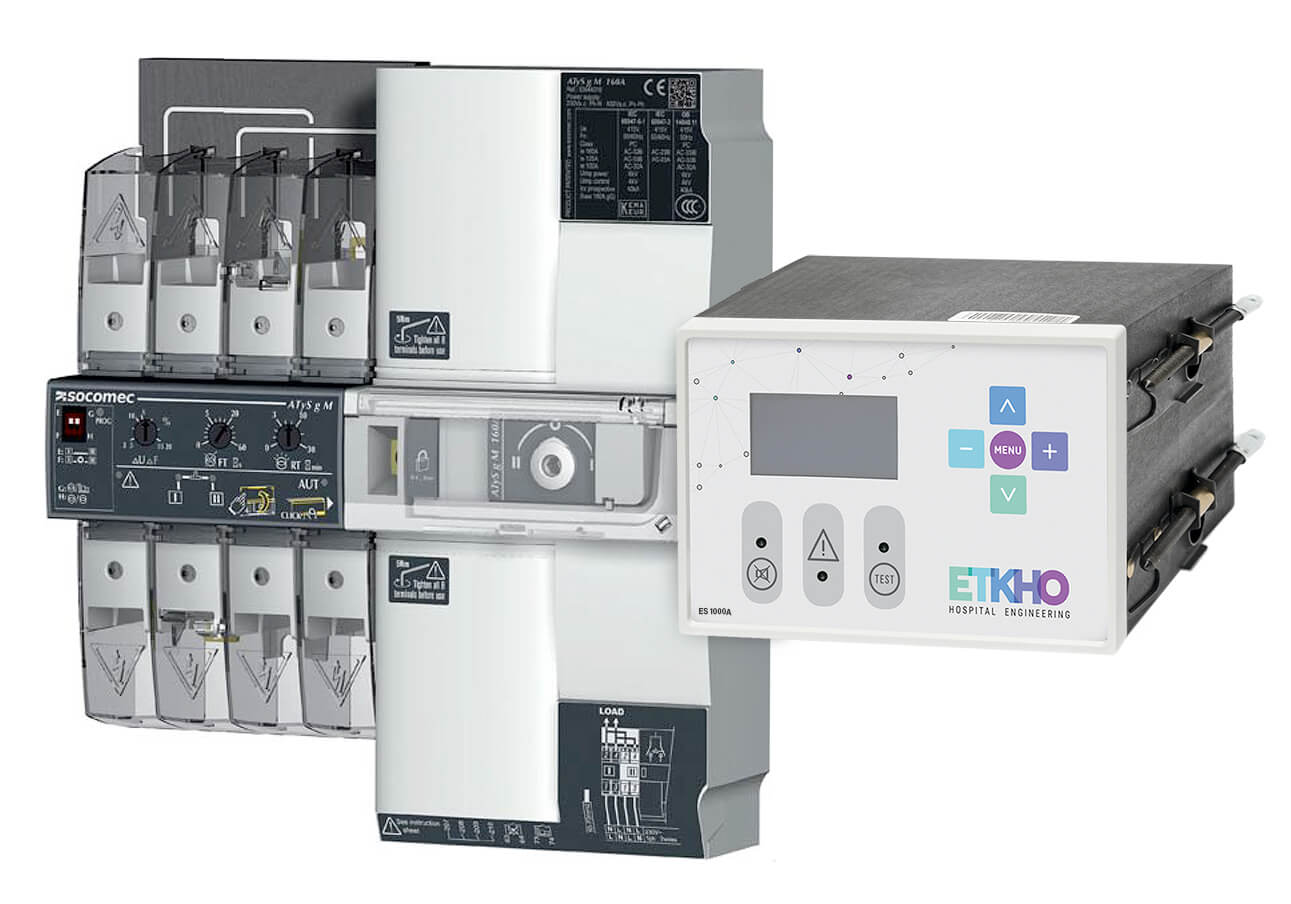
ETKHO insulation monitors make it possible to check the insulation status of medical IT systems and verify that the installation can detect deviations before they become a greater risk.
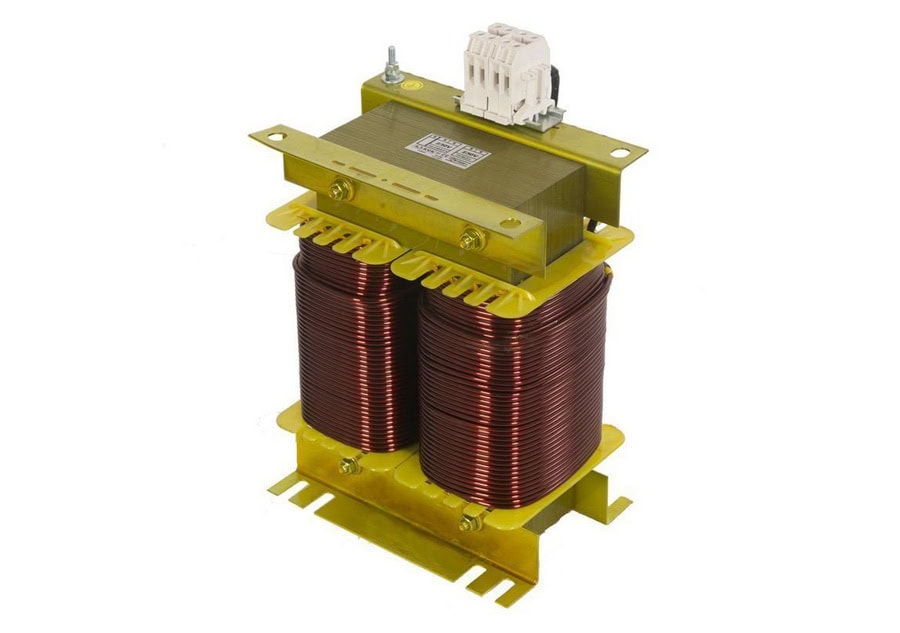
Similarly, medical isolation transformers must be validated within the complete installation, checking their correct integration with monitoring, alarm and protection systems.
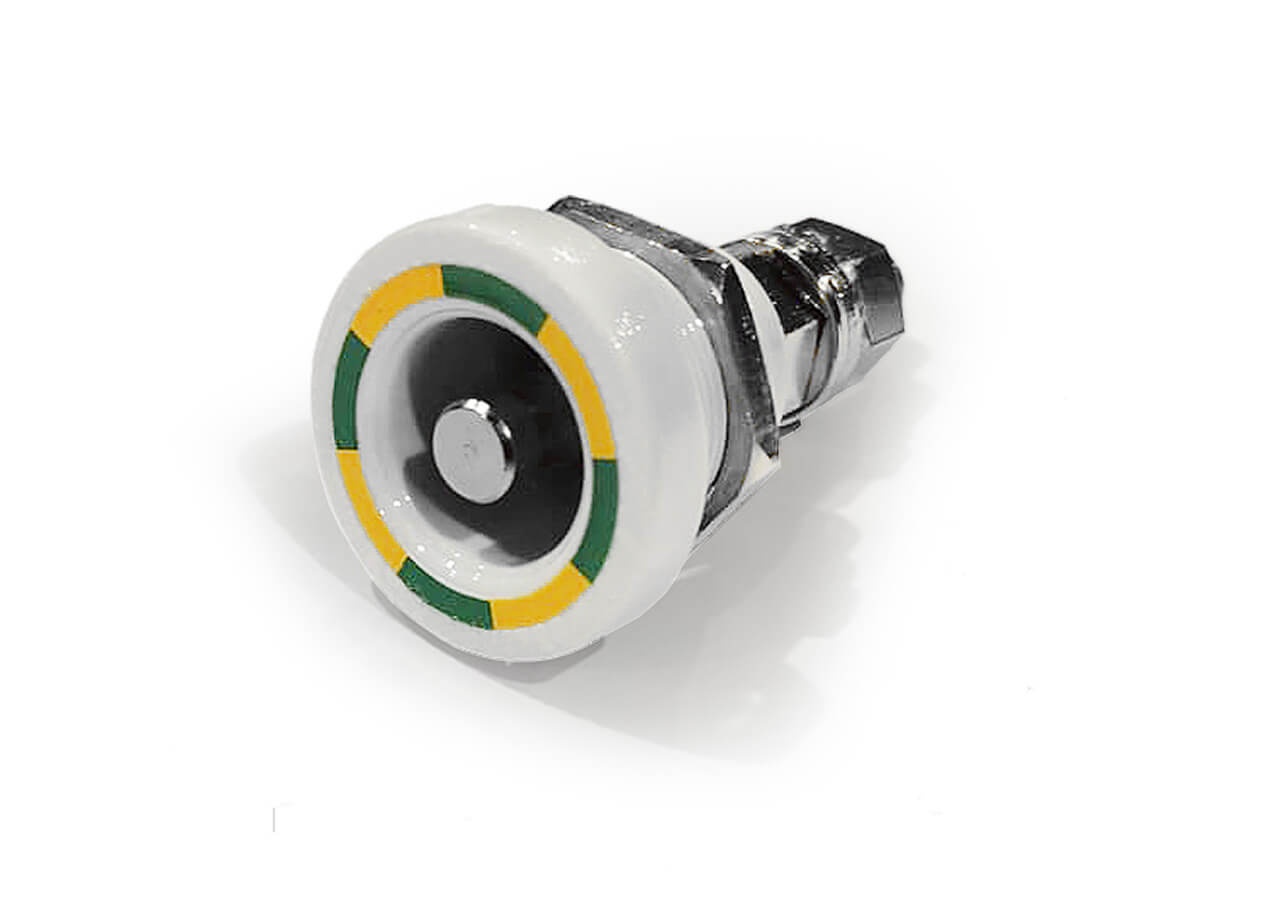
It is also essential to review ETKHO hospital ground connections, since equipotential bonding and correct grounding are essential elements for electrical safety in sensitive areas.
Technical tests before opening a critical area
Hospital commissioning must include an ordered sequence of tests before the area enters operation. These tests should not be improvised at the end of construction, but planned from the early stages of the project.
Among the most relevant checks are technical documentation review, installation verification, continuity tests, alarm testing, communication checks between devices, validation of backup systems, simulation of fault conditions and confirmation that signals correctly reach the supervision points.
In hospital electrical systems, one especially important test is the response to a first insulation fault. The system must maintain service continuity, detect the incident, generate an alarm and allow an orderly technical intervention.
ETKHO uninterruptible power systems must also be verified during start-up, especially in relation to autonomy, transfer, connected loads and continuity of sensitive equipment.
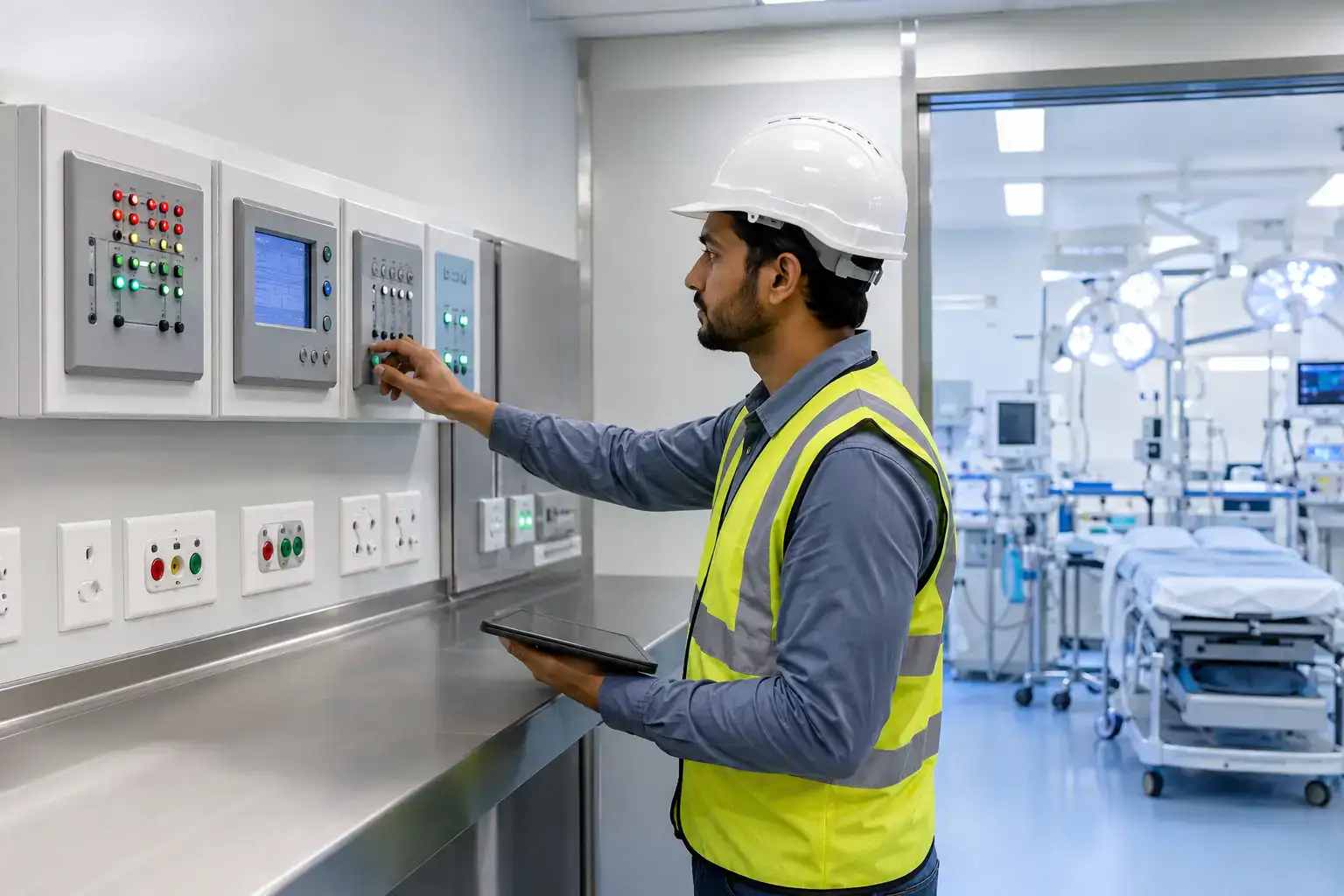
Hospital commissioning makes it possible to detect errors while they are still technical issues, not once they have already become care-related problems.
Coordination between engineering, installation and maintenance
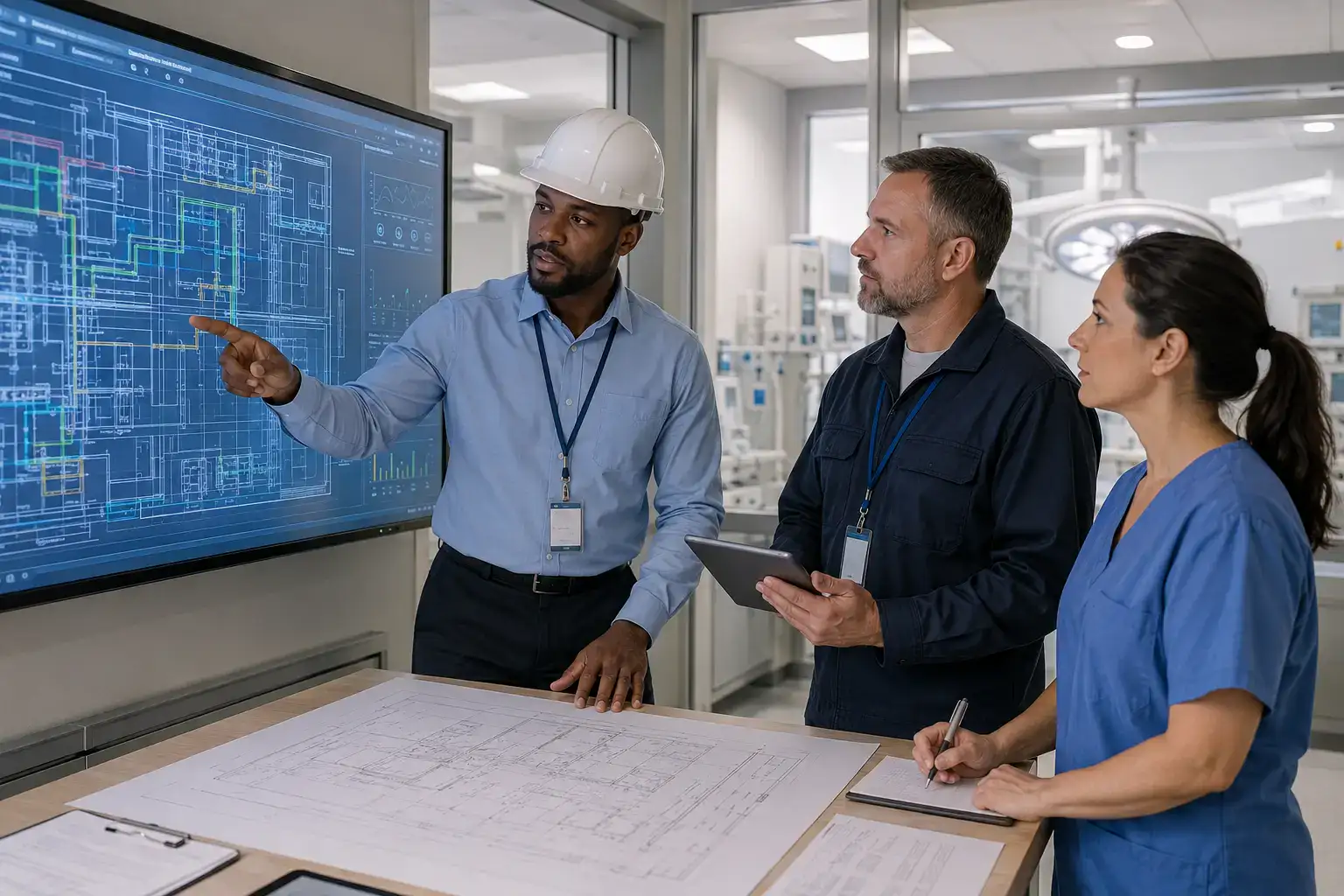
One of the greatest values of hospital commissioning is that it forces all stakeholders to coordinate: engineering, installers, project management, maintenance, clinical engineering, prevention, clinical managers and the hospital’s technical management team.
This coordination prevents start-up from depending only on isolated checks. The objective is for all systems to be validated as part of an integrated infrastructure.
An installation may be correctly executed from an electrical point of view, but not properly integrated with alarms, remote supervision or action protocols. Similarly, a system may work individually, but not respond as expected when it interacts with other equipment.
Commissioning makes it possible to review these interfaces before opening. This reduces later adjustments, initial-phase incidents and dependencies that were not detected during construction.
This approach is consistent with the vision of ASHRAE Guideline 0, which understands commissioning as a structured process to verify that systems meet the project objectives and defined operational requirements. ASHRAE’s guide on the commissioning process reinforces this methodological vision.
Commissioning and standards in medical areas
In hospital installations, start-up must be aligned with the technical and regulatory requirements applicable to medical locations. It is not only about checking that equipment works, but validating that it does so within an appropriate electrical safety framework.
The IEC 60364-7-710 standard for electrical installations in medical locations establishes specific criteria for electrical safety in healthcare areas. Integrating these requirements into the commissioning process helps ensure that operating rooms, ICUs and critical rooms meet the necessary conditions before use.
At this point, ETKHO provides specific solutions for hospital electrical protection, from IT systems and insulation monitoring to UPS, transformers, alarms and ground connections.
Benefits of hospital commissioning
When applied correctly, hospital commissioning reduces risks during the most delicate phase of any project: the transition from technical installation to real clinical use.
Its main benefits include early detection of errors, reduction of incidents after opening, improved coordination between teams, alarm validation, verification of backup systems and the handover of a more documented and safer installation.
It also facilitates subsequent maintenance work. When an installation is handed over with tests, records and clear criteria, the technical team has a much stronger foundation to operate, supervise and maintain the critical area.
This approach complements later strategies such as predictive maintenance in hospitals. Commissioning validates the installation before opening; predictive maintenance helps supervise it throughout its operational life.
Toward safer hospital start-up
The technical complexity of today’s hospitals requires more rigorous handover processes. Digitalization, electrification, the incorporation of new clinical equipment and the need for continuity of care make prior validation increasingly important.
Hospital commissioning makes it possible to organize this process and turn start-up into a controlled, documented technical phase focused on safety.
At ETKHO, we develop hospital electrical safety solutions designed to protect critical areas, facilitate technical supervision and ensure operational continuity in environments where electrical reliability does not allow improvisation.
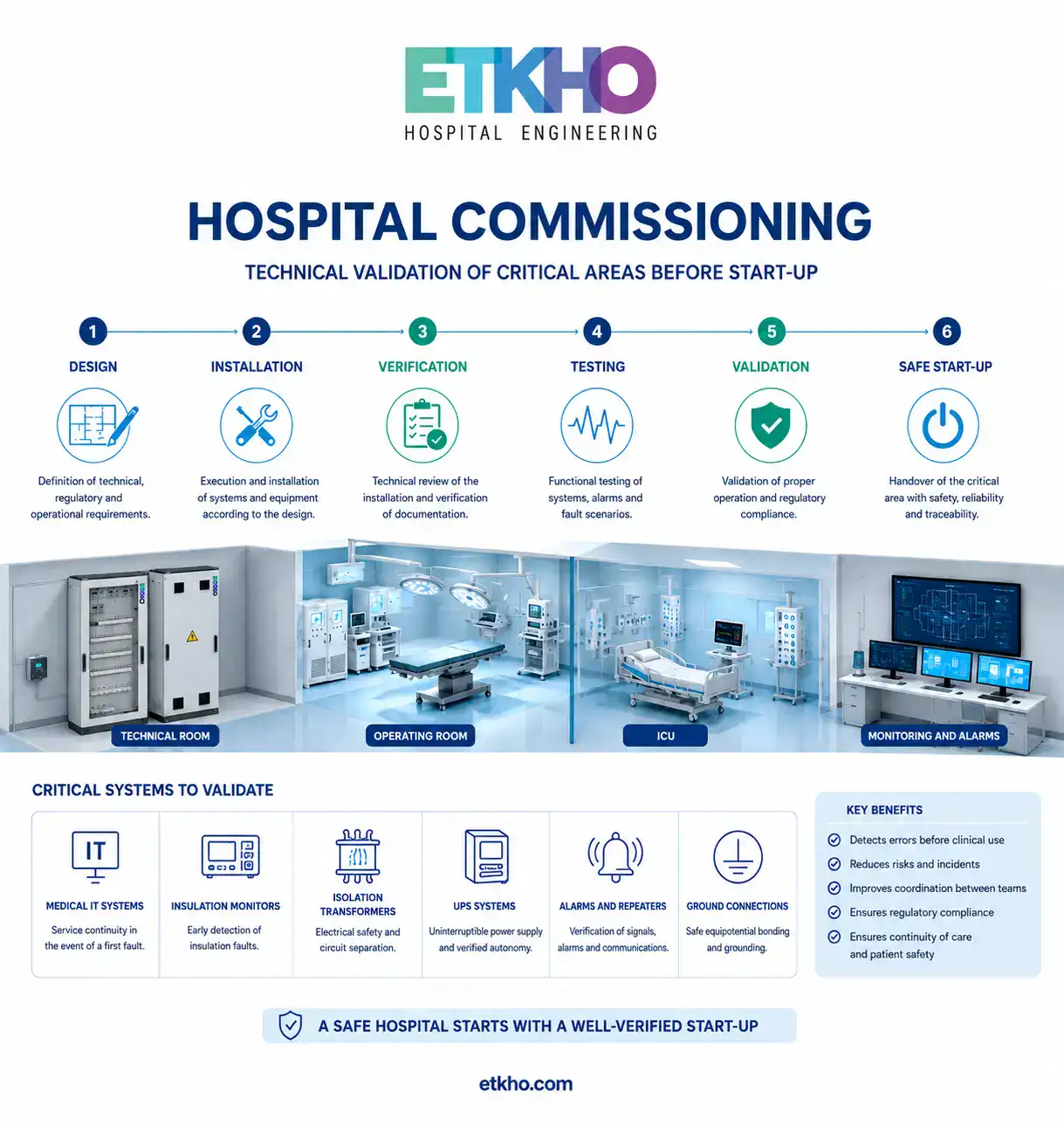
A safe hospital starts before receiving the first patient: it starts with a properly verified start-up process.
Frequently asked questions about hospital commissioning
What is hospital commissioning?
Hospital commissioning is the process of verifying, testing and validating a hospital’s technical systems before start-up, especially in critical areas.
Why is it important in operating rooms and ICUs?
Because in operating rooms and ICUs, any electrical failure, incorrectly configured alarm or unvalidated backup system can affect continuity of care and patient safety.
What systems must be checked during commissioning?
Medical IT systems, insulation monitors, transformers, UPS, alarms, repeaters, electrical panels, ground connections and supervision systems must be checked.
What is the difference between installation and commissioning?
Installation consists of executing and connecting systems. Commissioning verifies that those systems work correctly, respond to expected scenarios and meet technical requirements before use.
How does commissioning support subsequent maintenance?
It helps by generating documentation, test records and operating criteria that facilitate the operation, supervision and maintenance of critical areas throughout their service life.
Conclusion
Hospital commissioning is an essential phase to ensure that critical areas enter service with safety, reliability and operational continuity. It is not only about reviewing installations, but about verifying that all systems respond correctly before clinical use.
Through technical testing, alarm validation, verification of critical electrical systems and coordination between teams, hospitals can reduce risks and improve the quality of start-up.
At ETKHO, we develop solutions focused on hospital electrical safety and the protection of critical areas, helping to build hospitals that are better prepared from the first day of operation.